


Generative AI is exploding, and so is the art it creates. But here’s the problem: most AI artists struggle to monetize their work effectively, and businesses struggle to find unique, legally clear AI art. Licensing is a mess, and tracking royalties? Forget about it.
That’s where you come in.
Here’s how to make money with AI by building or operating a Generative-Art Licensing & Royalty-Management Marketplace, a high-value, scalable platform that connects AI artists with buyers and handles the complex backend.
📦 Serious about building a new income? Download your FIRST AI DOLLAR guide now! Grab it free here →
The Story: Alex’s AI Art Dilemma
Meet Alex. He’s a talented digital artist who’s embraced generative AI. He creates stunning, unique pieces daily. He sees the potential, but he’s frustrated. Where can he sell his AI art for commercial use? How does he ensure he gets paid fairly if his art is used in an ad campaign or a video game? The existing stock photo sites don’t understand AI art, and copyright is a grey area. He’s creating amazing work, but struggling to turn it into consistent income.
Then, he hears about a new kind of marketplace, one built specifically for AI art, handling licensing and royalties automatically. A lightbulb goes off: “This isn’t just a place to sell. It’s also a solution to the biggest problems facing AI artists and buyers.”
And that’s your income opportunity.
Why a Generative-Art Marketplace is a Goldmine
- Explosive Demand for Unique Visuals: Businesses, content creators, game developers, and marketers constantly need fresh, unique imagery. Generative AI delivers this at scale.
- The Licensing & Royalty Headache: For AI artists, tracking usage and ensuring fair payment is nearly impossible. For buyers, ensuring legal rights and avoiding copyright infringement is a major concern.
- AI Changes the Game: AI isn’t just creating the art; it can power the marketplace itself:
- Automated Metadata & Tagging: AI can analyze art and automatically tag it for discoverability.
- Smart Contracts/Blockchain: For transparent, automated licensing and royalty distribution.
- Usage Tracking: AI can monitor where and how licensed art is being used.
- Personalized Recommendations: AI can match buyers with the perfect art.
- The Monetization Gap: There’s a massive need for a specialized platform that understands the nuances of AI art, provides legal clarity, and ensures fair compensation. You’re building the infrastructure for the future of digital art.
You’re selling legal clarity, fair compensation, and access to a new frontier of creativity.
Step-by-Step: Building Your AI Art Marketplace
1. Define Your Niche & Target Users.
Don’t try to be everything to everyone. Get specific:
- Specific Art Styles: Focus on abstract AI art, photorealistic AI portraits, sci-fi landscapes, etc.
- Specific Use Cases: Target game developers needing unique assets, marketers needing ad visuals, book cover designers, or NFT artists.
- Specific AI Models: Curate art from specific generative models (e.g., Midjourney, Stable Diffusion, Leonardo) known for certain aesthetics.
Focus on a segment where you can provide superior value and legal clarity.
2. Choose Your Tech Stack & AI Toolkit.
This is a more complex build, but the core components are:
- Platform Foundation: Web development framework (e.g., React, Python/Django, Node.js).
- AI Integration: APIs for generative AI models (if you allow on-platform creation) or AI services for metadata/tagging.
- Licensing & Royalty Management: Blockchain integration (e.g., Ethereum for smart contracts) or a robust database system for tracking.
- Payment Gateway: Stripe, PayPal, crypto payment solutions.
- Cloud Storage: AWS S3, Google Cloud Storage for art files.
This requires technical expertise or a development team. Start with a Minimum Viable Product (MVP).
3. Package Your Offer (Monetization Model).
This is how you make money:
- Commission on Sales: Take a percentage (e.g., 10-30%) of each art license sold.
- Subscription for Artists: Offer premium features (e.g., advanced analytics, higher visibility) for a monthly fee.
- Subscription for Buyers: Offer unlimited downloads or exclusive access to certain collections for a monthly fee.
- Tiered Licensing: Offer different license types (e.g., standard, extended, exclusive) at varying price points.
- API Access: Allow businesses to integrate your art library directly into their tools for a fee.
4. Create a Robust Intake & Delivery System.
- Artist Onboarding: Clear guidelines for submitting AI art, including proof of generation (prompts, seed numbers) to ensure originality and legal standing.
- AI Metadata & Curation: Use AI to automatically tag and categorize submitted art, with human oversight.
- Licensing & Smart Contracts: Automated system for generating and enforcing license agreements upon purchase.
- Royalty Distribution: Automated system for distributing royalties to artists based on sales and usage.
- Buyer Interface: Intuitive search, filtering, and download process for licensed art.
Transparency and legal clarity are paramount here.
5. Attract Your First Users (Artists & Buyers).
- Target AI Art Communities: Reach out to generative artists on platforms like Discord, Reddit, ArtStation.
- Offer Incentives: Waive commissions for early artists, offer free credits for early buyers.
- Showcase Unique Art: Highlight the most innovative and commercially viable AI art.
- Educate the Market: Publish content explaining the benefits of your platform for both artists and buyers, especially regarding legal clarity.
Case Study: The “ArtFlow” Marketplace
Alex, our AI artist from the intro, joined a new marketplace called “ArtFlow.” ArtFlow used AI to tag his submissions and blockchain for transparent licensing. Within months, his abstract AI landscapes were licensed by a game studio for background assets, and a tech startup for their website. ArtFlow automatically tracked usage and distributed his royalties. Alex, who was struggling to make $100 a month, now earns $1,500 consistently, all while focusing on creating more art.
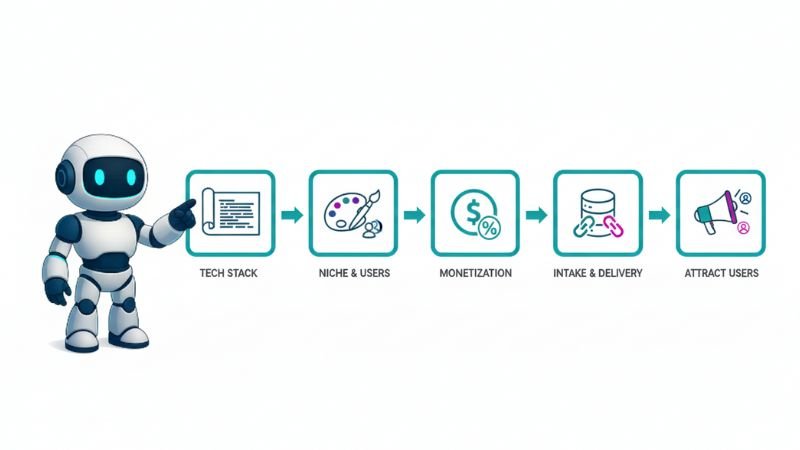
Visual Roadmap
“5 Steps to Monetize AI Generative Art with a Marketplace”
- Define your niche
- Pick your tech stack
- Package your offer
- Streamline your system
- Attract your users
The Real Talk Wrap‑Up
Pros:
- Massive growth potential in a new market.
- Solves critical pain points for artists and buyers.
- High scalability with automation.
- Positions you as an innovator in the AI art space.
Cons:
- Requires significant technical expertise and investment.
- Navigating evolving AI copyright and legal frameworks is complex.
- Building trust in a new, often controversial, market.
- Competition from general stock sites and other AI art platforms.
But the bottom line? This is a legit AI-driven business model that builds the essential infrastructure for the future of digital creativity.
Final Thoughts
AI isn’t just creating art but also about creating entirely new economies around art. By building or operating a generative-art licensing and royalty-management marketplace, you’re not just selling images. You’re selling legal clarity, fair compensation, and a streamlined path for artists to monetize their groundbreaking work.
If you’re looking for a truly ambitious “make money with AI” venture that sits at the intersection of technology, creativity, and commerce, this is it. It’s a complex build, but the impact and potential for recurring, high-value income are immense.
📦 Serious about building a new income? Download your FIRST AI DOLLAR guide now! Grab it free here →